

Starting a startup is often romanticized as simply having a brilliant idea. However, as Sam Altman explains, ideas are worthless without execution. The real value lies in the long grind of building a great team and executing relentlessly.
Here is a breakdown of the core principles regarding co-founders, hiring, and execution.
1. The Co-Founder Decision: Do Not "Date"
The co-founder relationship is arguably the most critical in the company. Yet, many treat it casually.

- Don't Hire Strangers: A common mistake students make is "co-founder dating." This means finding a random partner just to start a business. This is disastrous. You need a shared history with your co-founder so that when things go wrong (and they will), you have a bond that prevents the team from falling apart.
- The "James Bond" Test: When evaluating a co-founder, look for someone who is "relentlessly resourceful." A helpful mental model is James Bond. You want someone who is tough, calm, decisive, creative, and unflappable in every situation.
- Solo vs. Team: While it is better to be a solo founder than to have a bad co-founder, the data favors teams. Among the top 20 YC companies (at the time of the lecture), all had at least two founders. The ideal number is two or three.
- Remote Work: In the early days, communication and speed are everything. History shows that successful software startups rarely begin with co-founders in different locations. Altman advises against remote teams for early-stage startups.
2. Hiring: The Art of Staying Small
One of the most counter-intuitive pieces of advice is to try not to hire.

- The Metrics Trap: People often judge a startup’s success by its employee count. However, a large staff creates high burn rates, complexity, and slow decision-making. You should be proud of how much you can achieve with a small team.
- The Cost of Mediocrity: In a big company, a mediocre employee is a nuisance. In a startup of five people, a mediocre hire can kill the company.
- The Airbnb Standard: Brian Chesky, CEO of Airbnb, spent five months hiring his first employee. He wanted people who would "bleed Airbnb." He even asked if they would take the job if they had one year left to live. You need early employees who are maniacally determined and believe in the mission as much as you do.
3. How to Hire the Best
When you absolutely must hire, it becomes your most important job. It should take up 25% to 50% of your time.

- Sources: The best candidates are personal referrals. You must push your network and your employees' networks to find people you already know and trust.
- The Three Criteria: Altman looks for three simple things:
- Are they smart?
- Do they get things done?
- Do I want to spend a lot of time with them?
- The "Work Together" Test: Instead of relying on traditional interviews or brain teasers (which are often useless), try to work on a project with the candidate for a day or two.
- References: Dig deep when calling references. Don't just ask "How was he?" Ask, "Is he in the top 5% of people you’ve worked with?" and "Would you hire him again?"
4. Employee Equity and Retention
Founders often mess up the equity split. They tend to be stingy with employees and generous with investors. Altman suggests the opposite.

- The 10% Rule: Aim to give 10% of the company to the first ten employees. They are the ones building the value over years.
- Founder Vesting: Founders must have vesting (typically 4 years with a 1-year cliff). If a co-founder leaves early with half the equity, it creates "dead weight" that makes the company unfundable.
- Management: First-time CEOs often struggle with management. You cannot just tell people they are failing every day. You must give them autonomy, mastery, and purpose.
5. Execution: Focus and Intensity
Once the team is in place, success comes down to execution.
- The CEO’s Role: Beyond vision and fundraising, the CEO must set the "execution bar." If the founder works hard and obsesses over quality, the culture will reflect that.
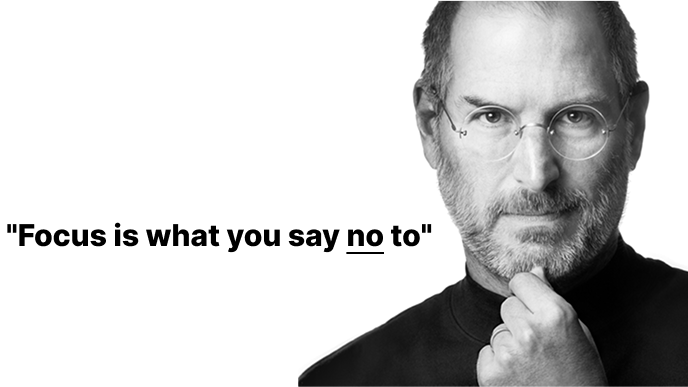
- Extreme Focus: You can only focus on two or three key goals at a time. The trick to execution is saying "no" to the 97 other things competing for your attention.
- Speed and Quality: The best startups move fast and maintain high quality. It’s not an "either/or" choice. You must be decisive and maintain a "bias towards action."
- Get on the Plane: Do things that don't scale. Altman shares a story where his company was about to lose a major deal. Instead of accepting defeat, they flew to the client's office at 6 AM and sat there until they got a meeting. They saved the deal. In marginal situations, show up in person.
6. Momentum is Lifeblood
Startups survive on growth and momentum. If you stop winning, the company spirals.

- Sales Fix Everything: When momentum sags, internal fighting begins. The cure is "small wins." Getting sales or shipping features fixes the mood instantly.
- Ignore Competitors: Do not worry about competitors or their press releases. The only competitor to fear is the one quietly building a better product. A rule of thumb: don't worry until they ship a real product that beats yours.
Questions?
How do you deal with founder burnout? Should I take a vacation?
The harsh reality is that vacations usually don't work for founders because the startup is all-consuming. Unlike being a student, where you can just decide to get bad grades for a quarter, a startup is real life. You cannot just throw up your hands. The only way through burnout is to address the specific challenges that are causing the stress. Once you fix the things going wrong, you will feel better. Rely on your support network, acknowledge that it sucks, and keep going.
If I have to choose between hiring a "suboptimal" employee or losing a customer to a competitor, what should I do?
If it involves one of your first five employees, lose the customer. Hiring a mediocre employee early on causes permanent damage that is worse than losing a specific deal. Later in the company's life, the answer might change. But in the beginning, you cannot risk the culture.
What if I am not technical? Can I just hire developers and be the manager?
This rarely works. There is a popular but dangerous idea that you can just be a "great manager" and hire people to build the product. In the software world, software people should start companies. If you are not technical, you really want a technical co-founder, not just employees.
https://warrensbox.com/downloads/
Startups Die From People Problems - Cofounder & Hiring Checklist
This checklist provides the rigorous framework to ensure your partner can handle a crisis and your employees are worth betting the company on. No strangers, no unequal splits, no mediocrity.